Teaching

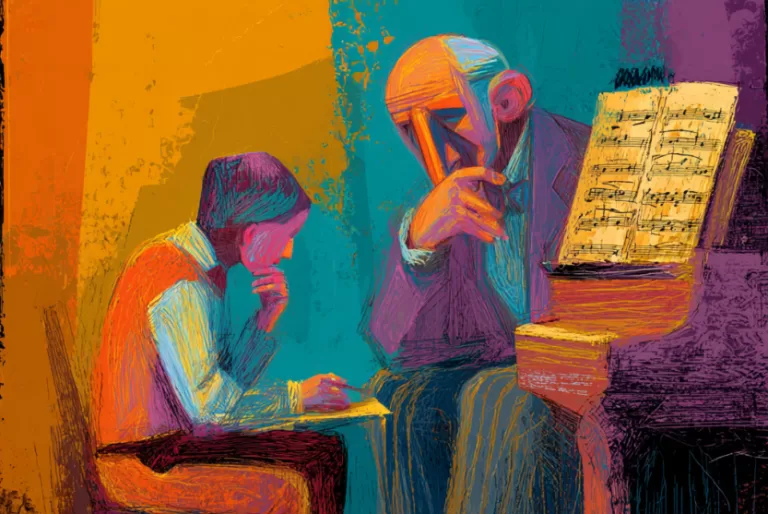
  • When a Teacher Makes It About Themselves

    [fusion_builder_container type=”flex” hundred_percent=”no” hundred_percent_height=”no” hundred_percent_height_scroll=”no” align_content=”stretch” flex_align_items=”flex-start” flex_justify_content=”flex-start” flex_wrap=”wrap” hundred_percent_height_center_content=”yes” equal_height_columns=”no” container_tag=”div” hide_on_mobile=”small-visibility,medium-visibility,large-visibility” status=”published” spacing_medium=”” spacing_small=”” padding_dimensions_medium=”” padding_dimensions_small=”” border_sizes=”” border_style=”solid” box_shadow=”no” box_shadow_blur=”0″ box_shadow_spread=”0″ gradient_start_color=”” gradient_end_color=”” gradient_start_position=”0″ gradient_end_position=”100″ gradient_type=”linear” radial_direction=”center center” linear_angle=”180″ background_position=”center center” background_repeat=”no-repeat” background_custom_size=”” background_custom_size_medium=”” background_custom_size_small=”” fade=”no” background_parallax=”none” enable_mobile=”no” parallax_speed=”0.3″ background_blend_mode=”none” background_slider_position=”” background_slider_skip_lazy_loading=”no” background_slider_loop=”yes” background_slider_pause_on_hover=”no” background_slider_slideshow_speed=”5000″ background_slider_animation=”fade” background_slider_direction=”up” background_slider_animation_speed=”800″ video_aspect_ratio=”16:9″ video_loop=”yes” video_mute=”yes” pattern_bg=”none” pattern_custom_bg=””…
  • |

    From Practice to Ritual: Reframing the Foundations of Musical Mastery

    [fusion_builder_container type=”flex” hundred_percent=”no” hundred_percent_height=”no” hundred_percent_height_scroll=”no” align_content=”stretch” flex_align_items=”flex-start” flex_justify_content=”flex-start” flex_wrap=”wrap” hundred_percent_height_center_content=”yes” equal_height_columns=”no” container_tag=”div” hide_on_mobile=”small-visibility,medium-visibility,large-visibility” status=”published” spacing_medium=”” spacing_small=”” padding_dimensions_medium=”” padding_dimensions_small=”” border_sizes=”” border_style=”solid” box_shadow=”no” box_shadow_blur=”0″ box_shadow_spread=”0″ gradient_start_color=”” gradient_end_color=”” gradient_start_position=”0″ gradient_end_position=”100″ gradient_type=”linear” radial_direction=”center center” linear_angle=”180″ background_position=”center center” background_repeat=”no-repeat” background_custom_size=”” background_custom_size_medium=”” background_custom_size_small=”” fade=”no” background_parallax=”none” enable_mobile=”no” parallax_speed=”0.3″ background_blend_mode=”none” background_slider_position=”” background_slider_skip_lazy_loading=”no” background_slider_loop=”yes” background_slider_pause_on_hover=”no” background_slider_slideshow_speed=”5000″ background_slider_animation=”fade” background_slider_direction=”up” background_slider_animation_speed=”800″ video_aspect_ratio=”16:9″ video_loop=”yes” video_mute=”yes” pattern_bg=”none” pattern_custom_bg=””…
  • Practice is often regarded as the cornerstone of musical growth. However, not all practice leads to improvement. While many students dedicate hours to their instruments, they often find themselves frustrated by slow progress. This is where the concept of effective practice becomes vital. It shifts the focus from merely spending time at the instrument to…

  • Embracing Neurodiversity in Private Music Instruction

    Embracing neurodiversity in private music instruction requires an open mind, flexibility, and a deep respect for each student’s unique learning journey. There is no one-size-fits-all approach to learning music. As instructors, our role is to adapt our teaching methods to meet the individual needs of neurodivergent students, creating a supportive and inclusive environment where every learner can thrive.

  • The Evolution of Digital Music Education in the Digital Era

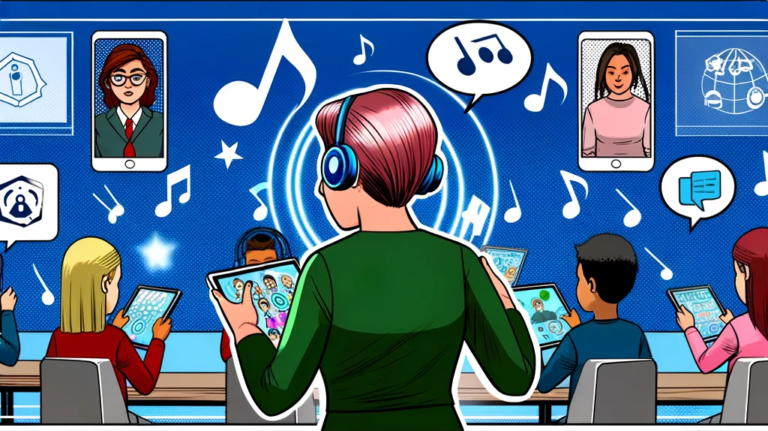
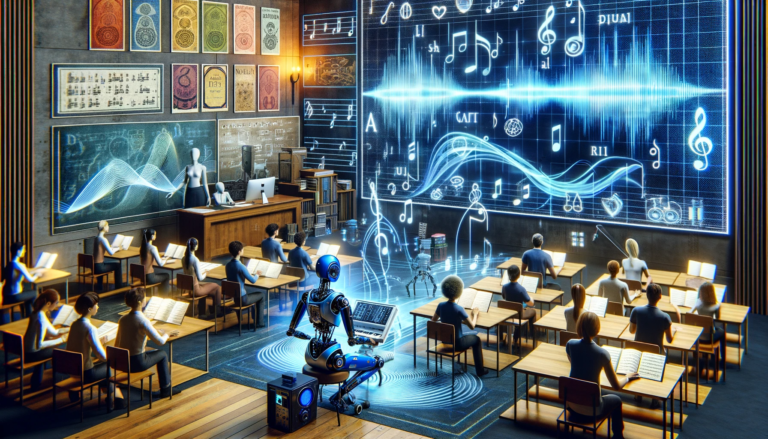
    The swift transition to remote learning, necessitated by the global challenges of the pandemic in 2020, heralded a new era in the integration of digital tools and artificial intelligence (AI) in music education. This pivotal shift demanded a critical reevaluation of traditional teaching methods, sparking pedagogical innovation and broadening access to music education. This article…

  • Harmonizing Differences: Strategies for Teaching Music to Neurodivergent Students

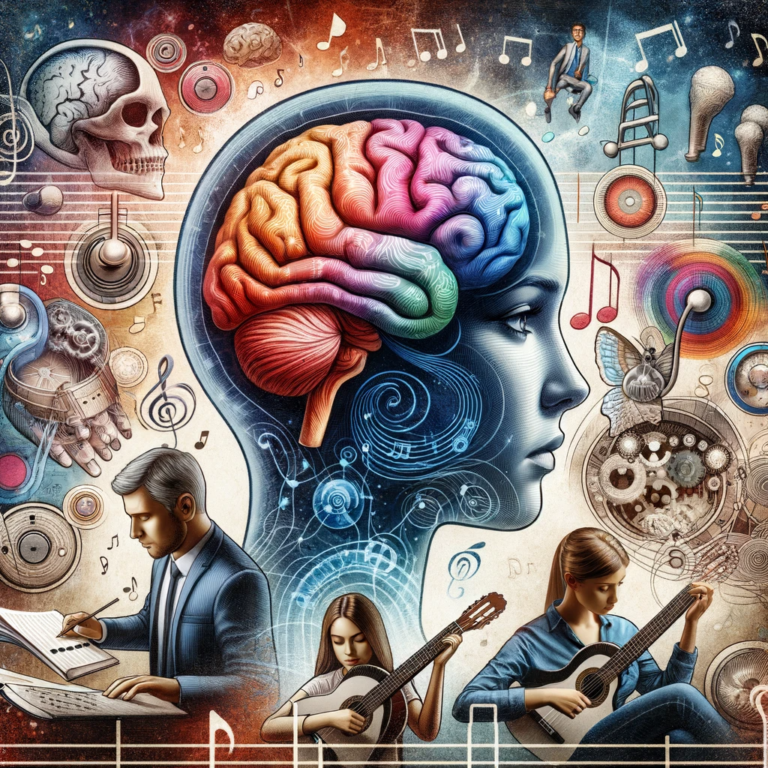
    The confluence of neurodiversity and music education presents a vibrant opportunity for innovation, allowing educators to tailor enriching learning experiences for neurodivergent students. These individuals, characterized by conditions such as Autism Spectrum Disorder (ASD), Attention Deficit Hyperactivity Disorder (ADHD), and Dyslexia, offer unique insights and face distinct challenges within the music education landscape. This article…

  • The Value of Non-Traditional and Popular Music in Music Education

    The inclusion of non-traditional and popular music in music lessons offers a multitude of benefits, extending beyond mere engagement to enrich the educational experience in profound ways. Here, we explore the multifaceted value these genres bring to music education.   Enhancing Student Engagement and Motivation One of the most immediate benefits of integrating non-traditional and…

  • From the Ordinary to the Extraordinary

    To cultivate extraordinariness, educators must transcend traditional teaching paradigms, embedding a deep commitment to ethics, creativity, and personal development within their pedagogical approach. This endeavor requires a nuanced understanding of the distinction between merely being “out of the ordinary” and truly achieving extraordinariness—a state characterized not only by exceptional skill and innovation but also by a profound ethical foundation and a purposeful pursuit of excellence.

  • Exploration of Neuro-Linguistic Programming Techniques in Music Education: A Transformative Journey

    Explore the powerful impact of Neuro-Linguistic Programming (NLP) techniques on music education though the journey of reframing, disassociation, and creating new associations to inspire students and deepen their connection with music.

  • Neuro-Linguistic Programming in Music Education: A Brief Exploration

    Exploring the integration of Neuro-Linguistic Programming (NLP) in music education reveals a transformative approach that transcends traditional teaching methods. This article delves into how NLP’s innovative techniques – inspired significantly by Milton H. Erickson’s pioneering work in hypnotherapy – can enrich music teaching and performance. It highlights NLP’s core principles, such as rapport building, sensory-based learning, and reframing techniques, and their practical applications in enhancing communication, emotional intelligence, and personal development in the realm of music. This comprehensive exploration not only offers theoretical insights but also practical examples, demonstrating NLP’s potential to revolutionize music education and performance.