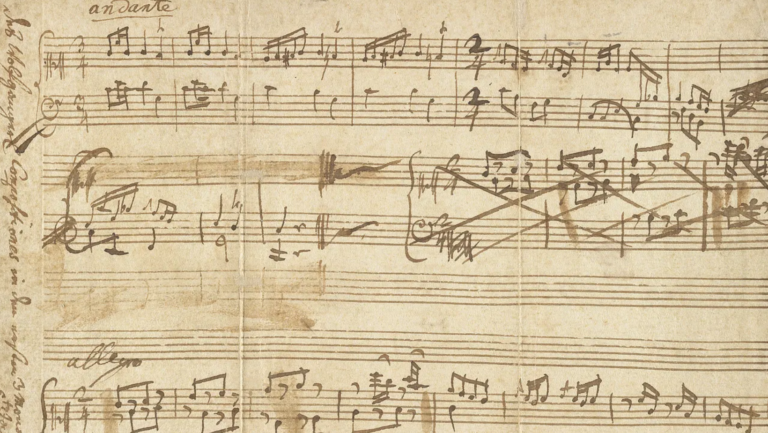
Decoding the Hidden Meanings in Musical Performance

Music semiotics provides the framework to decode these meanings, connecting the intentions of the composer, the interpretation of the performer, and the reception by the audience. By exploring how music communicates through signs, this article delves into the layers of meaning that enhance both the performance and experience of music.

Free Membership Required

You must be a Free member to access this content.

Join Now

Already a member? Log in here

Similar Posts

  • Practice is often regarded as the cornerstone of musical growth. However, not all practice leads to improvement. While many students dedicate hours to their instruments, they often find themselves frustrated by slow progress. This is where the concept of effective practice becomes vital. It shifts the focus from merely spending time at the instrument to…

  • |

    Assessment Methods in Music Performance: Beyond Traditional Grading

    This comprehensive article explores modern methods of music performance assessment, moving beyond traditional grading to include portfolio assessment, peer evaluation, self-assessment, performance-based scenarios, digital tools, and narrative storytelling. Ideal for music professionals, students, and educators looking to enhance their evaluation practices.

  • Simplifying Advanced Harmony

    [fusion_builder_container type=”flex” hundred_percent=”no” hundred_percent_height=”no” hundred_percent_height_scroll=”no” align_content=”stretch” flex_align_items=”flex-start” flex_justify_content=”flex-start” flex_wrap=”wrap” hundred_percent_height_center_content=”yes” equal_height_columns=”no” container_tag=”div” hide_on_mobile=”small-visibility,medium-visibility,large-visibility” status=”published” spacing_medium=”” spacing_small=”” padding_dimensions_medium=”” padding_dimensions_small=”” border_sizes=”” border_style=”solid” box_shadow=”no” box_shadow_blur=”0″ box_shadow_spread=”0″ gradient_start_color=”” gradient_end_color=”” gradient_start_position=”0″ gradient_end_position=”100″ gradient_type=”linear” radial_direction=”center center” linear_angle=”180″ background_position=”center center” background_repeat=”no-repeat” background_custom_size=”” background_custom_size_medium=”” background_custom_size_small=”” fade=”no” background_parallax=”none” enable_mobile=”no” parallax_speed=”0.3″ background_blend_mode=”none” background_slider_position=”” background_slider_skip_lazy_loading=”no” background_slider_loop=”yes” background_slider_pause_on_hover=”no” background_slider_slideshow_speed=”5000″ background_slider_animation=”fade” background_slider_direction=”up” background_slider_animation_speed=”800″ video_aspect_ratio=”16:9″ video_loop=”yes” video_mute=”yes” pattern_bg=”none” pattern_custom_bg=””…

  • Neural Counterpoint: How Polyphony Shapes the Musical Brain

    In a world that prizes immediacy, superficiality, and minimalism, polyphony stands apart as a musical form that embraces complexity, patience, and depth. From the complexity of the voices of Renaissance motets to the layered architecture of a Bach fugue, polyphonic music engages the listener in a uniquely cognitive experience — one that is as demanding…

  • How the Brain Learns Music

    [fusion_builder_container type=”flex” hundred_percent=”no” hundred_percent_height=”no” hundred_percent_height_scroll=”no” align_content=”stretch” flex_align_items=”flex-start” flex_justify_content=”flex-start” flex_wrap=”wrap” hundred_percent_height_center_content=”yes” equal_height_columns=”no” container_tag=”div” hide_on_mobile=”small-visibility,medium-visibility,large-visibility” status=”published” border_style=”solid” box_shadow=”no” box_shadow_blur=”0″ box_shadow_spread=”0″ gradient_start_position=”0″ gradient_end_position=”100″ gradient_type=”linear” radial_direction=”center center” linear_angle=”180″ background_position=”center center” background_repeat=”no-repeat” fade=”no” background_parallax=”none” enable_mobile=”no” parallax_speed=”0.3″ background_blend_mode=”none” background_slider_skip_lazy_loading=”no” background_slider_loop=”yes” background_slider_pause_on_hover=”no” background_slider_slideshow_speed=”5000″ background_slider_animation=”fade” background_slider_direction=”up” background_slider_animation_speed=”800″ video_aspect_ratio=”16:9″ video_loop=”yes” video_mute=”yes” pattern_bg=”none” pattern_bg_style=”default” pattern_bg_opacity=”100″ pattern_bg_blend_mode=”normal” mask_bg=”none” mask_bg_style=”default” mask_bg_opacity=”100″ mask_bg_transform=”left” mask_bg_blend_mode=”normal” absolute=”off” absolute_devices=”small,medium,large” sticky=”off” sticky_devices=”small-visibility,medium-visibility,large-visibility”…