Unlocking Your Inner Composer: A Cognitive and Practical Guide to Music Creation
[fusion_builder_container type=”flex” hundred_percent=”no” hundred_percent_height=”no” hundred_percent_height_scroll=”no” align_content=”stretch” flex_align_items=”flex-start” flex_justify_content=”flex-start” hundred_percent_height_center_content=”yes” equal_height_columns=”no” container_tag=”div” hide_on_mobile=”small-visibility,medium-visibility,large-visibility” status=”published” border_style=”solid” box_shadow=”no” box_shadow_blur=”0″ box_shadow_spread=”0″ gradient_start_position=”0″ gradient_end_position=”100″ gradient_type=”linear” radial_direction=”center center” linear_angle=”180″ background_position=”center center” background_repeat=”no-repeat” fade=”no” background_parallax=”none” enable_mobile=”no” parallax_speed=”0.3″ background_blend_mode=”none” video_aspect_ratio=”16:9″ video_loop=”yes” video_mute=”yes” pattern_bg=”none” pattern_bg_style=”default” pattern_bg_opacity=”100″ pattern_bg_blend_mode=”normal” mask_bg=”none” mask_bg_style=”default” mask_bg_opacity=”100″ mask_bg_transform=”left” mask_bg_blend_mode=”normal” absolute=”off” absolute_devices=”small,medium,large” sticky=”off” sticky_devices=”small-visibility,medium-visibility,large-visibility” sticky_transition_offset=”0″ scroll_offset=”0″ animation_direction=”left” animation_speed=”0.3″ animation_delay=”0″ filter_hue=”0″ filter_saturation=”100″ filter_brightness=”100″ filter_contrast=”100″ filter_invert=”0″ filter_sepia=”0″ filter_opacity=”100″ filter_blur=”0″ filter_hue_hover=”0″ filter_saturation_hover=”100″ filter_brightness_hover=”100″ filter_contrast_hover=”100″ filter_invert_hover=”0″ filter_sepia_hover=”0″ filter_opacity_hover=”100″ filter_blur_hover=”0″ admin_label=”Post Content”][fusion_builder_row][fusion_builder_column type=”1_1″ layout=”1_1″ align_self=”auto” content_layout=”column” align_content=”flex-start” valign_content=”flex-start” content_wrap=”wrap” center_content=”no” column_tag=”div” target=”_self” hide_on_mobile=”small-visibility,medium-visibility,large-visibility” sticky_display=”normal,sticky” order_medium=”0″ order_small=”0″ hover_type=”none” border_style=”solid” box_shadow=”no” box_shadow_blur=”0″ box_shadow_spread=”0″ z_index_subgroup=”regular” background_type=”single” gradient_start_position=”0″ gradient_end_position=”100″ gradient_type=”linear” radial_direction=”center center” linear_angle=”180″ lazy_load=”none” background_position=”left top” background_repeat=”no-repeat” background_blend_mode=”none” sticky=”off” sticky_devices=”small-visibility,medium-visibility,large-visibility” absolute=”off” filter_type=”regular” filter_hover_element=”self” filter_hue=”0″ filter_saturation=”100″ filter_brightness=”100″ filter_contrast=”100″ filter_invert=”0″ filter_sepia=”0″ filter_opacity=”100″ filter_blur=”0″ filter_hue_hover=”0″ filter_saturation_hover=”100″ filter_brightness_hover=”100″ filter_contrast_hover=”100″ filter_invert_hover=”0″ filter_sepia_hover=”0″ filter_opacity_hover=”100″ filter_blur_hover=”0″ transform_type=”regular” transform_hover_element=”self” transform_scale_x=”1″ transform_scale_y=”1″ transform_translate_x=”0″ transform_translate_y=”0″ transform_rotate=”0″ transform_skew_x=”0″ transform_skew_y=”0″ transform_scale_x_hover=”1″ transform_scale_y_hover=”1″ transform_translate_x_hover=”0″ transform_translate_y_hover=”0″ transform_rotate_hover=”0″ transform_skew_x_hover=”0″ transform_skew_y_hover=”0″ transition_duration=”300″ transition_easing=”ease” animation_direction=”left” animation_speed=”0.3″ animation_delay=”0″ last=”true” border_position=”all” min_height=”” link=”” first=”true”][fusion_text animation_direction=”left” animation_speed=”0.3″ animation_delay=”0″ hide_on_mobile=”small-visibility,medium-visibility,large-visibility” sticky_display=”normal,sticky”]
Ever wondered if you possess the magical ability to compose your own music? Why do some people seem to effortlessly create harmonious tunes while others never even attempt to tap into their musical creativity? What cognitive processes underlie this fascinating journey from musical illiteracy to fluency?
In this article we will explore how you can unleash your own creative genius, backed by a blend of cognitive science and hands-on, practical advice.
The Forgotten Art of Composing
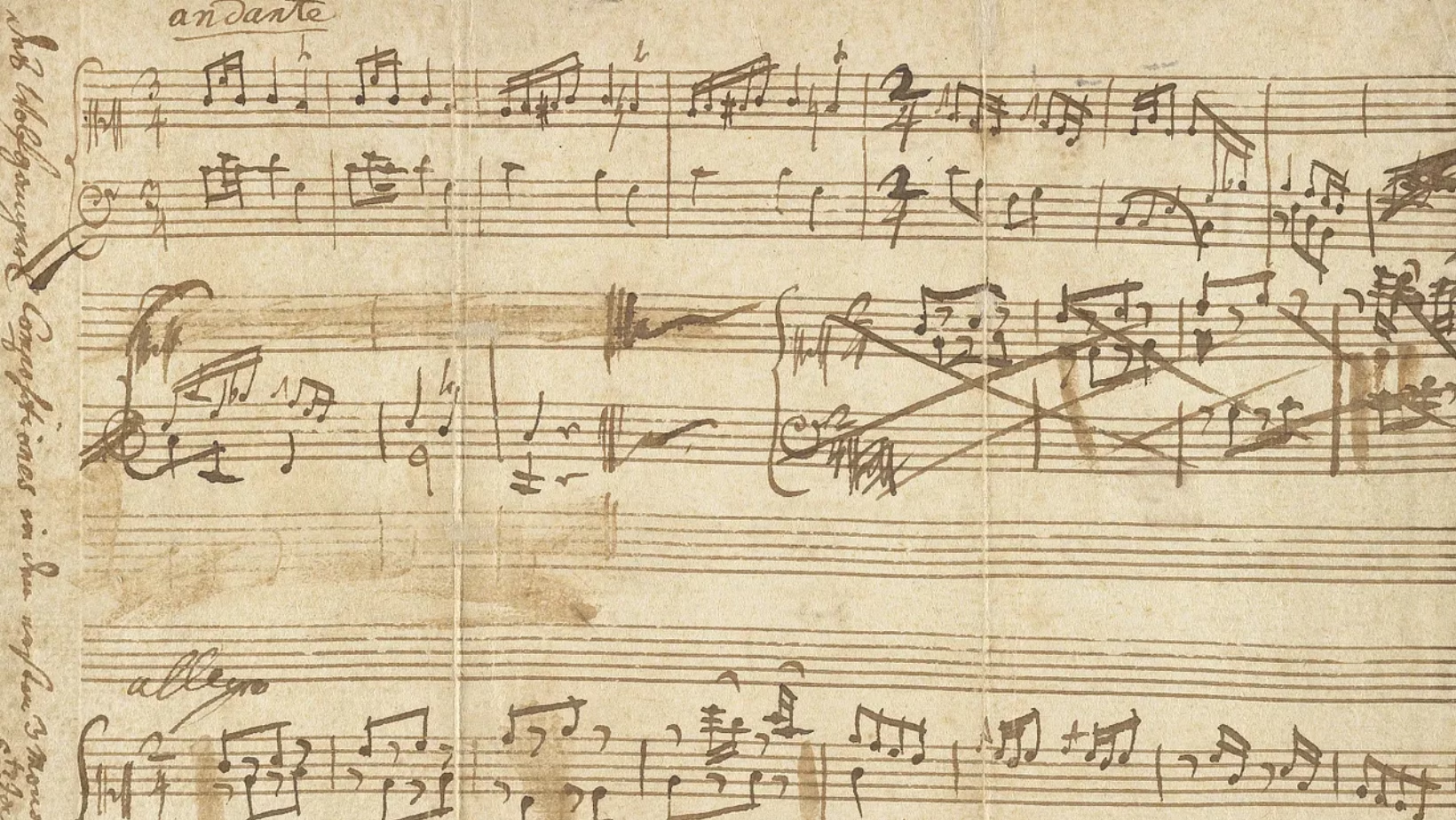
It might surprise you that in earlier times, nearly anyone who could play an instrument or sing also composed music. With the advent of publishing companies and sheet music, however, we’ve largely outsourced this creative process. The art of improvisation and composition has become rarer in formal music education.
Yet, incorporating creativity into learning is crucial. A student-centric educational approach should necessarily involve more composition and improvisation. So, how can we revive this dormant skill?
A Glimpse into the Cognitive Science of Creativity
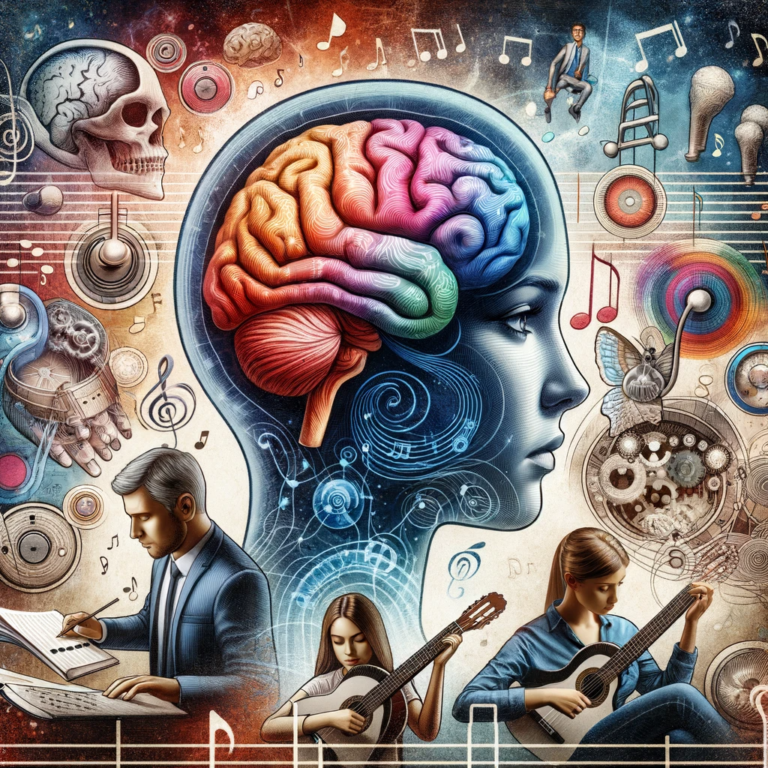
Before we move on to practical exercises, let’s first understand the cognitive stages involved in creativity:
- Preparation: Picture this as grocery shopping before cooking a meal. You collect knowledge, experiences, and stimuli that might later become the ingredients for your creation.
- Incubation: Think of this as deciding what to cook. Your mind connects unrelated concepts and forms new associations while in a state of relaxation.
- Illumination: The “aha” moment, where all the pieces click. This is like realizing you can combine two ingredients to create a new, delicious dish.
- Verification: Taste-testing your creation to confirm it’s good. Your focused attention is critical for refining your initial insights.
Remember, creativity isn’t linear; it’s cyclical. Throughout this process, cognitive mechanisms interact, adapt, and refine, continually shaping the artistic vision.
Practical Exercises to Unleash Your Inner Composer
In my teaching, I offer several techniques to help students enter their own cycles of creativity:
Musical Storytelling
From the get-go, students are tasked with creating music that tells a story. By linking their music to a narrative, they imbue their compositions with emotional depth.
Theme and Variation
Students take a simple melodic theme and experiment with rhythm, harmony, and dynamics. This exercise fosters their ability to manipulate musical ideas creatively.
Collaborative Composition
Working in groups, students blend their diverse musical influences to create a unified piece. This exercise capitalizes on cognitive diversity, as different minds produce something truly unique.
Constraint-Based Composing
I introduce limits, such as using specific pitches or rhythmic patterns. These constraints encourage innovative solutions, leading to inventive musical outcomes.
Nurturing the Creative Mind
Through these exercises, my students don’t just hone their musical skills; they also build self-confidence in their creative abilities. Reflective practices further enrich this journey, allowing students to identify areas for growth and celebrate their successes. Additionally, improvisation plays a significant role in my teaching philosophy. Engaging in spontaneous musical sessions helps students fine-tune their intuition and spark fresh ideas.
As you embark on your journey to unlock your inner composer, remember that the path to musical creation is a dynamic interplay of cognitive processes and practical experimentation. You already have what it takes to be your own composer. All that’s left is to take the first step.
[/fusion_text][fusion_builder_row_inner][fusion_builder_column_inner type=”1_4″ layout=”1_4″ align_self=”auto” content_layout=”column” align_content=”flex-start” valign_content=”flex-start” content_wrap=”wrap” center_content=”no” column_tag=”div” target=”_self” hide_on_mobile=”small-visibility,medium-visibility,large-visibility” sticky_display=”normal,sticky” order_medium=”0″ order_small=”0″ hover_type=”none” border_style=”solid” box_shadow=”no” box_shadow_blur=”0″ box_shadow_spread=”0″ background_type=”single” gradient_start_position=”0″ gradient_end_position=”100″ gradient_type=”linear” radial_direction=”center center” linear_angle=”180″ lazy_load=”avada” background_position=”left top” background_repeat=”no-repeat” background_blend_mode=”none” sticky=”off” sticky_devices=”small-visibility,medium-visibility,large-visibility” absolute=”off” filter_type=”regular” filter_hover_element=”self” filter_hue=”0″ filter_saturation=”100″ filter_brightness=”100″ filter_contrast=”100″ filter_invert=”0″ filter_sepia=”0″ filter_opacity=”100″ filter_blur=”0″ filter_hue_hover=”0″ filter_saturation_hover=”100″ filter_brightness_hover=”100″ filter_contrast_hover=”100″ filter_invert_hover=”0″ filter_sepia_hover=”0″ filter_opacity_hover=”100″ filter_blur_hover=”0″ transform_type=”regular” transform_hover_element=”self” transform_scale_x=”1″ transform_scale_y=”1″ transform_translate_x=”0″ transform_translate_y=”0″ transform_rotate=”0″ transform_skew_x=”0″ transform_skew_y=”0″ transform_scale_x_hover=”1″ transform_scale_y_hover=”1″ transform_translate_x_hover=”0″ transform_translate_y_hover=”0″ transform_rotate_hover=”0″ transform_skew_x_hover=”0″ transform_skew_y_hover=”0″ transition_duration=”300″ transition_easing=”ease” scroll_motion_devices=”small-visibility,medium-visibility,large-visibility” animation_direction=”left” animation_speed=”0.3″ animation_delay=”0″ min_height=”” last=”false” link=”” border_position=”all” first=”true”][fusion_imageframe aspect_ratio=”custom” custom_aspect_ratio=”156″ aspect_ratio_position=”” lightbox=”no” linktarget=”_self” align_medium=”none” align_small=”none” align=”center” custom_mask=”” mask_size=”” mask_custom_size=”” mask_position=”” mask_custom_position=”” mask_repeat=”” style_type=”” hover_type=”none” magnify_duration=”120″ scroll_height=”100″ scroll_speed=”1″ margin_medium=”” margin_small=”” caption_style=”off” caption_align_medium=”none” caption_align_small=”none” caption_align=”none” caption_title_tag=”2″ animation_direction=”left” animation_color=”” animation_speed=”0.3″ animation_delay=”0″ hide_on_mobile=”small-visibility,medium-visibility,large-visibility” sticky_display=”normal,sticky” filter_hue=”0″ filter_saturation=”100″ filter_brightness=”100″ filter_contrast=”100″ filter_invert=”0″ filter_sepia=”0″ filter_opacity=”100″ filter_blur=”0″ filter_hue_hover=”0″ filter_saturation_hover=”100″ filter_brightness_hover=”100″ filter_contrast_hover=”100″ filter_invert_hover=”0″ filter_sepia_hover=”0″ filter_opacity_hover=”100″ filter_blur_hover=”0″ image_id=”2362|medium”]https://musicaiq.com/wp-content/uploads/2023/08/Copy-of-Live-Coaching-Podcast-Promo-YouTube-Video-Postcard-Portrait-194×300.jpg[/fusion_imageframe][/fusion_builder_column_inner][fusion_builder_column_inner type=”3_5″ layout=”3_5″ align_self=”auto” content_layout=”column” align_content=”flex-start” valign_content=”flex-start” content_wrap=”wrap” center_content=”no” column_tag=”div” target=”_self” hide_on_mobile=”small-visibility,medium-visibility,large-visibility” sticky_display=”normal,sticky” order_medium=”0″ order_small=”0″ hover_type=”none” border_style=”solid” box_shadow=”no” box_shadow_blur=”0″ box_shadow_spread=”0″ background_type=”single” gradient_start_position=”0″ gradient_end_position=”100″ gradient_type=”linear” radial_direction=”center center” linear_angle=”180″ lazy_load=”avada” background_position=”left top” background_repeat=”no-repeat” background_blend_mode=”none” sticky=”off” sticky_devices=”small-visibility,medium-visibility,large-visibility” absolute=”off” filter_type=”regular” filter_hover_element=”self” filter_hue=”0″ filter_saturation=”100″ filter_brightness=”100″ filter_contrast=”100″ filter_invert=”0″ filter_sepia=”0″ filter_opacity=”100″ filter_blur=”0″ filter_hue_hover=”0″ filter_saturation_hover=”100″ filter_brightness_hover=”100″ filter_contrast_hover=”100″ filter_invert_hover=”0″ filter_sepia_hover=”0″ filter_opacity_hover=”100″ filter_blur_hover=”0″ transform_type=”regular” transform_hover_element=”self” transform_scale_x=”1″ transform_scale_y=”1″ transform_translate_x=”0″ transform_translate_y=”0″ transform_rotate=”0″ transform_skew_x=”0″ transform_skew_y=”0″ transform_scale_x_hover=”1″ transform_scale_y_hover=”1″ transform_translate_x_hover=”0″ transform_translate_y_hover=”0″ transform_rotate_hover=”0″ transform_skew_x_hover=”0″ transform_skew_y_hover=”0″ transition_duration=”300″ transition_easing=”ease” scroll_motion_devices=”small-visibility,medium-visibility,large-visibility” animation_direction=”left” animation_speed=”0.3″ animation_delay=”0″ min_height=”” last=”true” link=”” border_position=”all” first=”false”][fusion_content_boxes parent_dynamic_content=”” layout=”icon-with-title” columns=”1″ heading_size=”2″ box_shadow=”no” box_shadow_blur=”0″ box_shadow_spread=”0″ iconspin=”no” image_max_width=”” icon_align=”left” animation_direction=”left” animation_color=”” animation_speed=”0.3″ animation_delay=”0″ hide_on_mobile=”small-visibility,medium-visibility,large-visibility” title_color=”var(–awb-custom_color_1)”][fusion_content_box title=”Author” linktext=”Read More” animation_direction=”left” animation_speed=”0.3″]Dr. Antonella Di Giulio (Ph.D.) is a distinguished scholar, educator, pianist and music professional with a Ph.D. in Music Theory and Historical Musicology. Her research on music semiotics intersects with her work in education, where she was clinician for the Bertelmanns Foundation in Germany and offers professional development for music instructors and educators. She is the founder of MusicaIQ. As a certified teacher and seasoned performer, Antonella’s multifaceted background contributes to her comprehensive and insightful perspective on music, cognition, and education.
[/fusion_content_box][/fusion_content_boxes][/fusion_builder_column_inner][/fusion_builder_row_inner][/fusion_builder_column][/fusion_builder_row][/fusion_builder_container]
Copyright ©2023, Musica IQ. All rights reserved.